


Have you ever wondered what the yellow octagon is on a lot of your non-Nike, non-Adidas footwear?
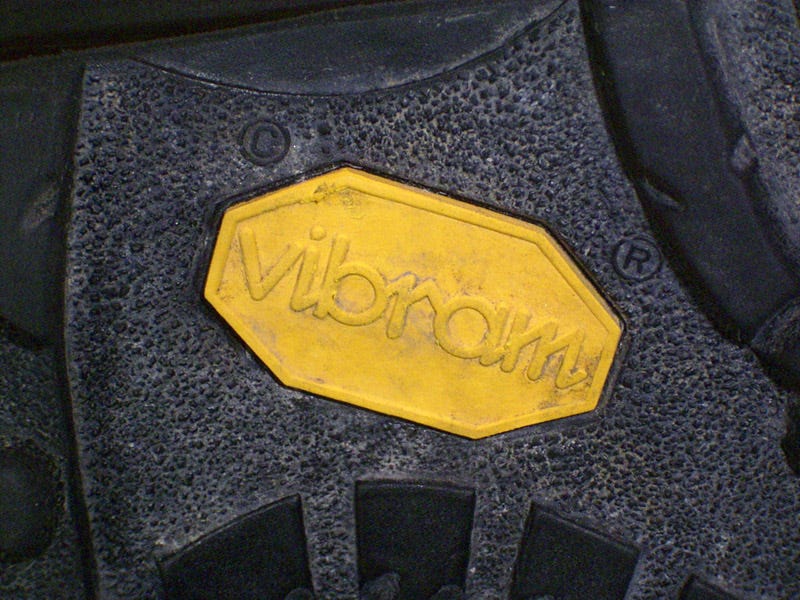
I see it advertised everywhere. I’ve probably paid extra for it more times than I’d like to admit. And until recently, I never really stopped to think about what it actually was, or why it mattered to me at all.
It’s Vibram soles.
Similar to how Gore-Tex became shorthand for “all-conditions”, Vibram has turned into a quiet stamp of approval. That yellow octagon signals quality, especially in the hiking and outdoor world. You see it and you assume the shoe is built properly.
But the brand didn’t start as a branding exercise.
In 1936, Vitale Bramani lost six friends in a fatal climbing accident. He blamed poor equipment. At the time, mountaineering boots were fitted with leather or felt soles, which became useless in frozen conditions.
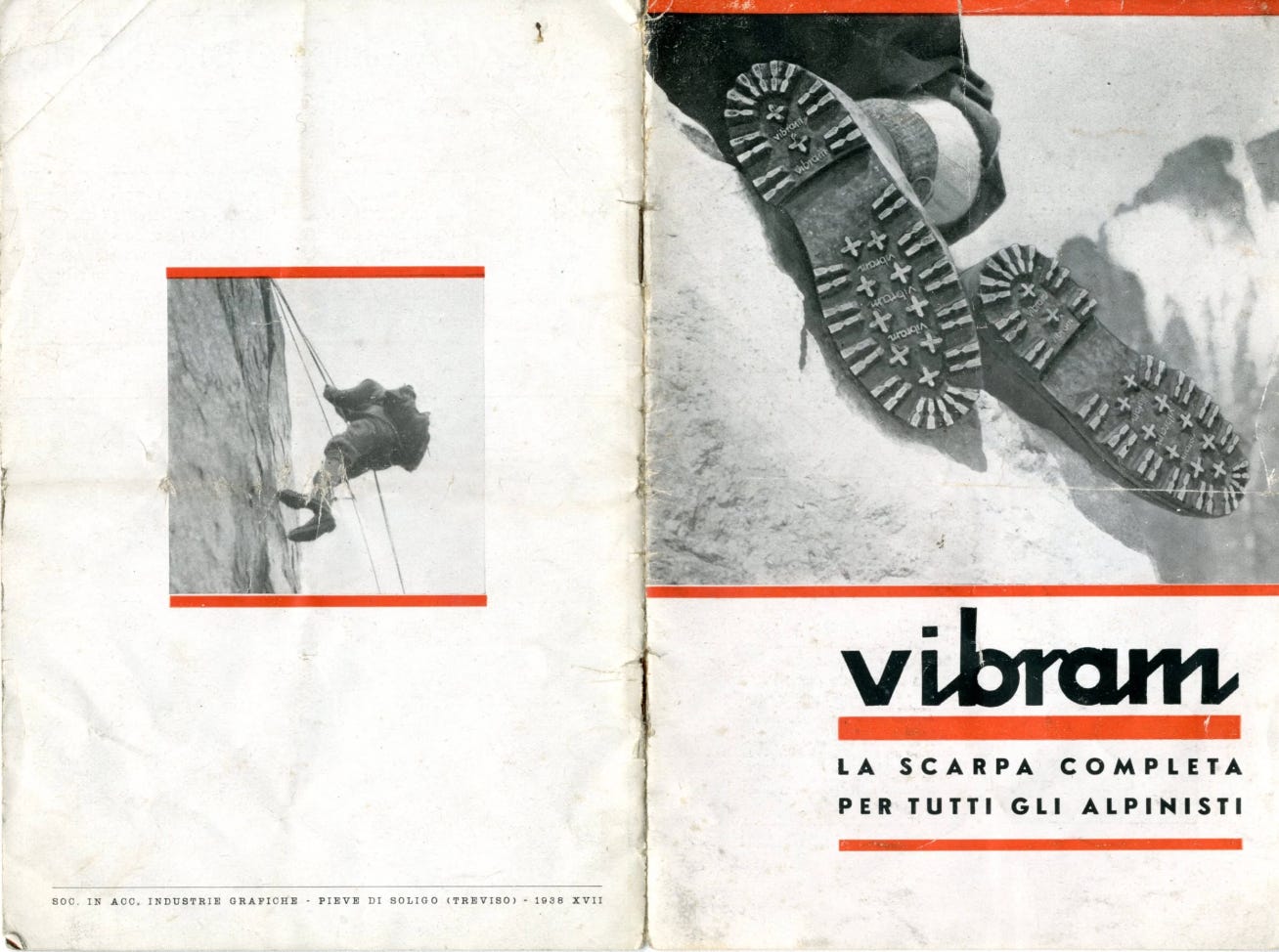
As my good friend Joppe from Berlin says, “It’s not bad weather, it’s just bad clothing.”
Bramani took the first letters of his name and created Vibram, then went on to patent the first rubber lug sole, inspired by tank tracks and tractor tyres. Very 1930s. Very functional.
The original design isn’t far from what we still recognise today.
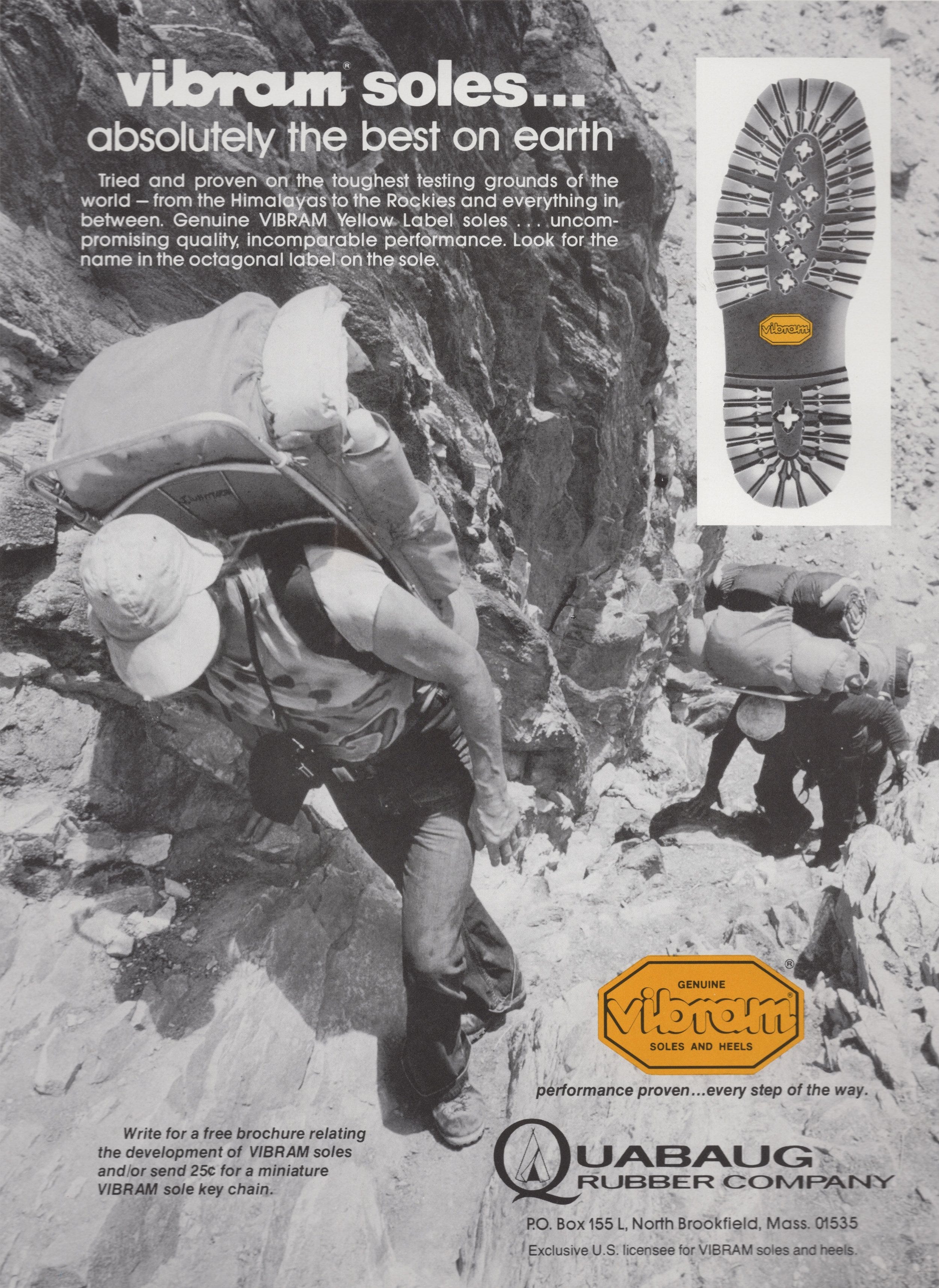
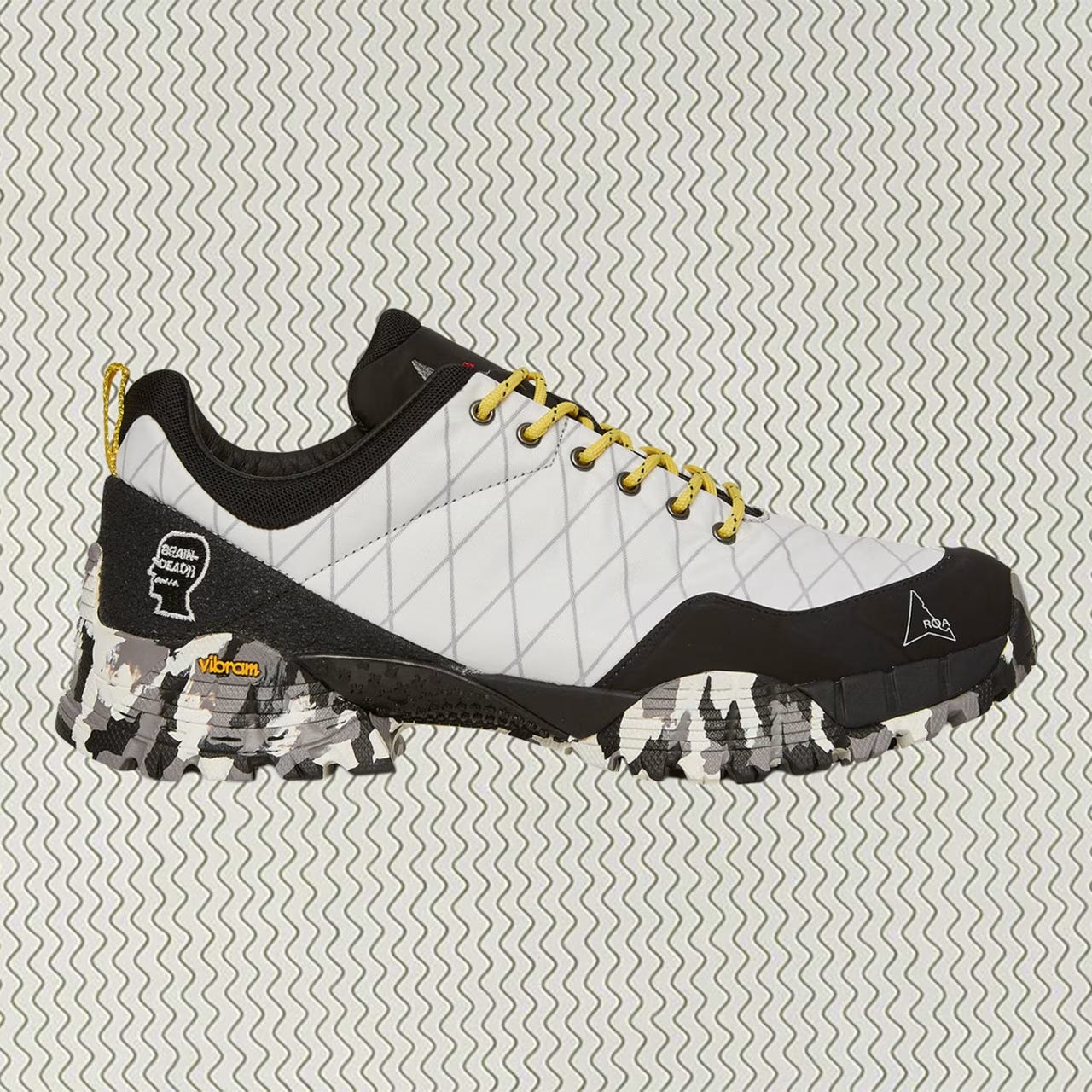
Vibram soles went on to become the gold standard for mountaineering footwear. Ninety years later, they’ve crossed into fashion, lifestyle, and streetwear. Over 1,000 footwear brands now use Vibram soles, producing more than 35 million pairs each year. And now, a non-negotiable in any real gorpcore fit.
Again, it didn’t start broad.
It started hyper-niche.
Built for climbers who needed their gear to work first and foremost, not look good.
It meant everything to the people whose lives depended on it, long before it meant anything to anyone else.
And that’s why it still carries weight.
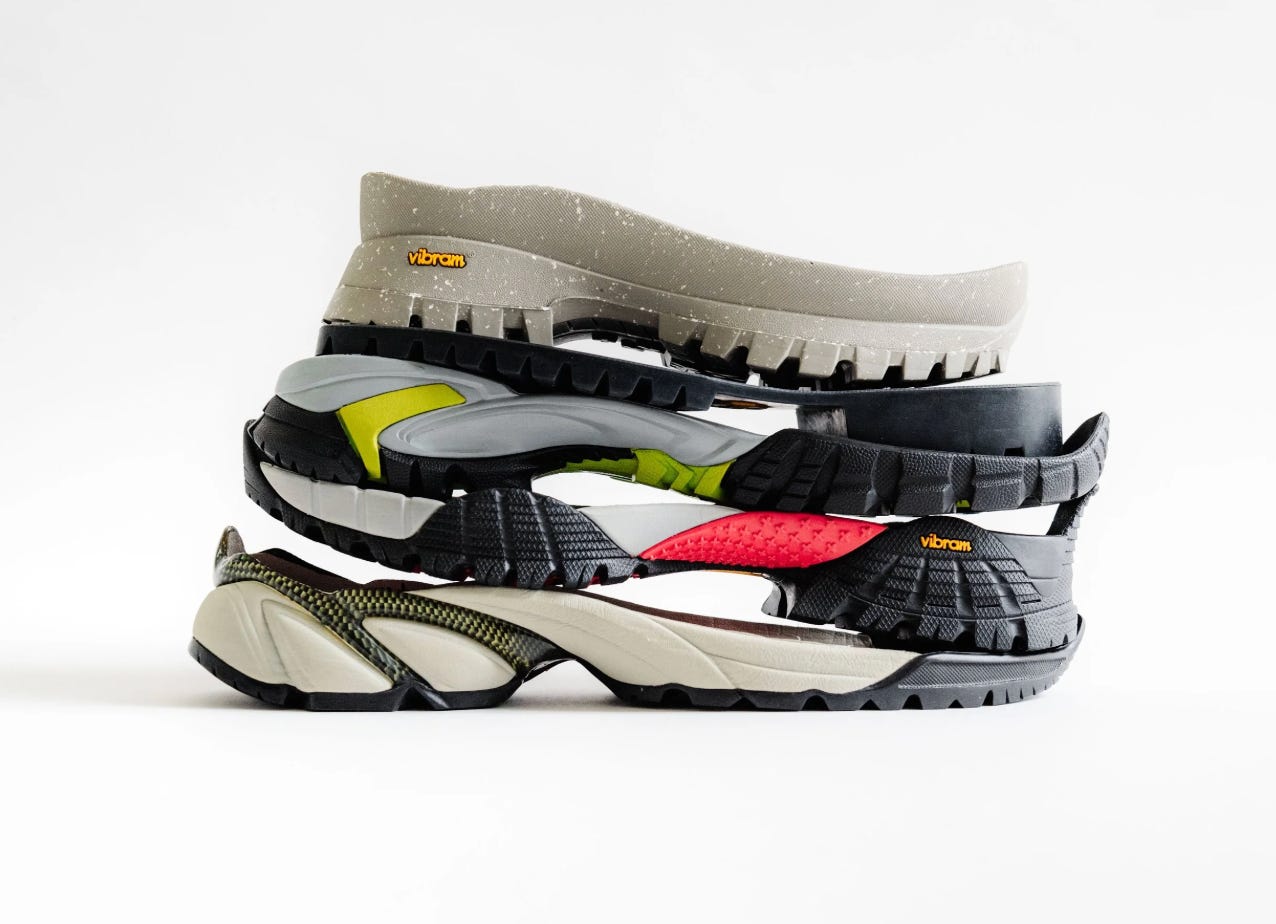
Vibram isn’t a logo.
It’s proof.
Function earns trust.
Trust earns cultural credibility.
Start niche. Mean something. Let scale come later.
As always,
Thanks for reading.
Hayden